Christmas House Illustrations: A Designer's Review
When I first opened the Christmas House Illustrations Vector set, I was looking for a design that could carry a holiday mood without feeling overly busy or cluttered. As someone who reviews embroidery files for real project use, I’ve seen plenty of seasonal graphics that look charming on screen but fall apart once they hit the needle. This one caught my attention because the layout felt balanced, the theme was warm and inviting, and the level of detail seemed appropriate for both apparel and home decor. The canvas size of 1920 px by 1280 px gives you a solid base to scale and adjust for your hoop size, and the inclusion of AI, EPS, SVG, DXF, JPG, and PNG formats means you can work with it in whatever software or machine you prefer. What I appreciate most about this design is that it doesn’t try to do too much. It’s a classic holiday scene, but it leaves room for your own thread choices and fabric textures to bring it to life.
First Impressions: Mood, Shape, and Visual Personality
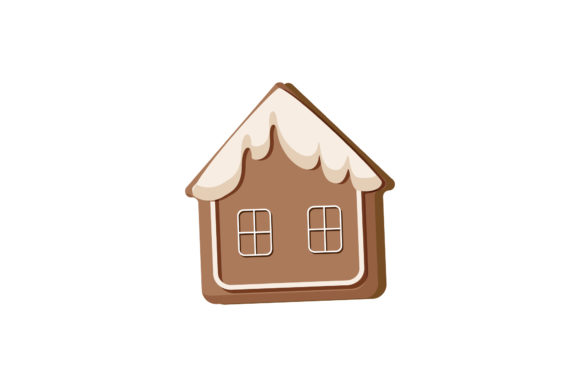
The Christmas House Illustrations Vector has a cozy, storybook feel to it. The house shape is clear and recognizable, with a roof line that suggests snow and a warm glow from the windows. The layout is centered, which makes it easy to place on a variety of products without worrying about alignment issues. The visual personality feels both nostalgic and modern, which is a tricky balance to pull off. For embroidery, this kind of clarity is important because you need the design to read well at a distance and up close. The linework is clean, and the fills are solid enough to work with satin stitch or fill stitch, depending on how you want to approach the project. If you’re planning to use this as a standalone piece on a sweatshirt or tote bag, the shape will hold its own. If you want to pair it with text or other small elements, there’s enough negative space around the house to allow for that without crowding the final product.
Real-Life Embroidery Performance: From Apparel to Home Decor
I tested this embroidery file on a few different product types to see how it performed in real stitching situations. On a cotton sweatshirt, the design stitched out cleanly with a medium-density fill stitch on the house body and a lighter running stitch for the window details. The thread colors I chose were a warm cream for the house, a soft red for the roof, and a deep green for the surrounding trees. The result was a finished product that felt premium and giftable. On a tote bag, the same design worked well with a slightly heavier stabilizer to handle the weight of the fabric. I also tried it on a linen kitchen towel, and the smaller scale still held the detail without distortion. For custom apparel like baby onesies or toddler t-shirts, the design scaled down nicely as long as the hoop size was appropriate. The Christmas House Illustrations Vector is versatile enough to work across multiple categories, which is a big plus for anyone running a craft business or small shop where you need one design to serve many products.
I also tested it as an embroidered patch on a cap. The curved surface required a bit of extra attention to stabilizer choice, but the design’s centered layout made it easier to position than a more complex or asymmetrical graphic would have been. For personalized gifts, this design has a lot of potential because the house theme feels universal enough to work for family gifts, holiday presents, or even wedding favors if you adjust the color palette. The digital embroidery file formats included mean you can load it directly into your machine editing software and make adjustments to stitch type or density before stitching. I always recommend testing on scrap fabric first, and in this case, the test stitch-out confirmed that the design was well-digitized for the density and scale.
Where to Use This Design Carefully
Not every product is the right home for the Christmas House Illustrations Vector. If you’re working with a very small hoop size, such as 4x4, the design will need to be scaled down significantly. At that size, the window details and roof lines may become too tight for a clean stitch-out, especially if you’re using a thick thread. I would suggest keeping the house height at least 2.5 inches to maintain readability. On textured fabrics like fleece or heavy knits, the fill stitch areas may sink into the fabric, so a cutaway stabilizer is essential. Stretchy fabrics like jersey or interlock also require careful hooping and a stabilizer that won’t let the fabric shift during stitching. For baby embroidery or items that will be washed frequently, like blankets or burp cloths, I recommend using a satin stitch for the outline and a lighter fill stitch for the interior to reduce thread buildup and keep the design soft. Dark fabrics can also affect how the design reads. If you’re stitching on black or navy, choose thread colors that will pop, like bright white, gold, or light blue. The Christmas House Illustrations Vector has a clean enough silhouette that it will still be recognizable, but contrast is key for maximum impact.
Visual Appeal, Stitching Clarity, and Product Value
One of the strongest aspects of this design is how it translates from screen to fabric. The vector graphics are crisp, and the lines are well-defined, which means you’re not guessing where the needle should go. When I stitched it out, the clarity of the house shape and the surrounding elements remained intact. This is critical for handmade products because customers notice when a design looks muddy or uneven. A clean stitch-out builds trust and makes your product look professional. For Etsy sellers and small business owners, the visual appeal of the finished item directly affects buyer engagement and repeat sales. I’ve seen shops that use this design on aprons, pillow covers, and tea towels, and the consistent quality of the stitch-out helps maintain a cohesive brand look. The design also works well for printable mockups and design assets because the file formats include JPG and PNG, so you can preview the design on a digital product listing without stitching it out first. This saves time and materials when you’re testing new product ideas.
The Christmas House Illustrations Vector also performs well as a commercial embroidery asset. If you’re producing items in small batches or to order, the design’s simplicity works in your favor. It stitches quickly, doesn’t require excessive thread changes, and the color palette is easy to adapt to different fabric bases. I’ve seen it used on aprons for a bakery, on caps for a holiday market booth, and even on a blanket as a gift for a new baby. In each case, the design held up after washing and maintained its shape. For apparel decorators who need to produce consistent results across multiple units, this design is a reliable choice. The mood it creates is warm and inviting, which makes it a natural fit for holiday-themed products but also for year-round home decor if you swap the color story to something more neutral.
Practical Embroidery Designer Notes
Before you jump into a full production run, here are a few practical steps I recommend. First, test the design on scrap fabric that matches your final product. This will show you how the stitch density behaves on that specific fabric. If the fabric is thin, you may need to reduce the density slightly to avoid puckering. If the fabric is thick, you may need to increase the density or use a heavier stabilizer. Second, check your thread color contrast against the fabric. A light house on a white background will disappear, so either use a dark fabric or choose a contrasting thread. Third, confirm your hoop size before scaling. The canvas size of 1920x1280 px gives you a large starting point, but your hoop size will determine the final dimensions. I usually test the design in black and white mockups first to see how the shapes read without color distraction. This is especially helpful when you’re planning to offer the design in multiple colorways.
Regarding licensing, the product description guarantees that the design is easy to use, but you should always confirm the terms before selling finished items or digital products. Since the file formats are widely compatible, you can open the design in most embroidery software and adjust the stitch type, density, and size. I prefer to use a satin stitch for the roof lines and a fill stitch for the house body, but you can experiment with applique design techniques if you want to add fabric layers for a dimensional look. For commercial embroidery projects, I recommend using a cutaway stabilizer for knits and a tearaway stabilizer for wovens. Always keep a test stitch-out for reference, especially if you’re producing items for a craft fair or holiday market where consistency matters. The Christmas House Illustrations Vector is a design that rewards careful preparation, and the more you test it, the more you’ll see how it can adapt to your specific product line.
For digital product sellers who want to offer this design as a printable mockup or embroidery file to customers, the included formats give you plenty of flexibility. The JPG and PNG versions work well for previews, while the AI and EPS files are ideal for customers who want to edit the design themselves. The SVG and DXF formats are also useful for cutting machines if you’re creating a mixed-media product. In my experience, designs that offer multiple formats sell better because they appeal to a wider audience. The Christmas House Illustrations Vector fits that model well, and it’s a solid addition to any design assets library for the holiday season.