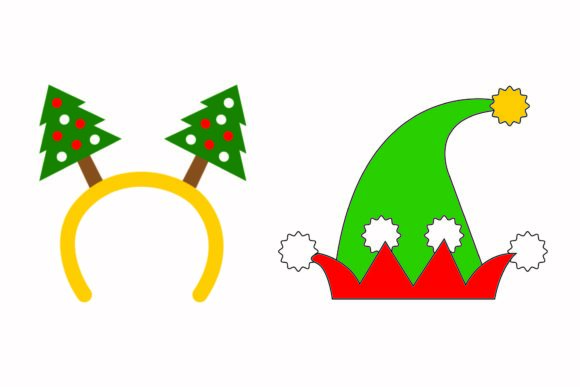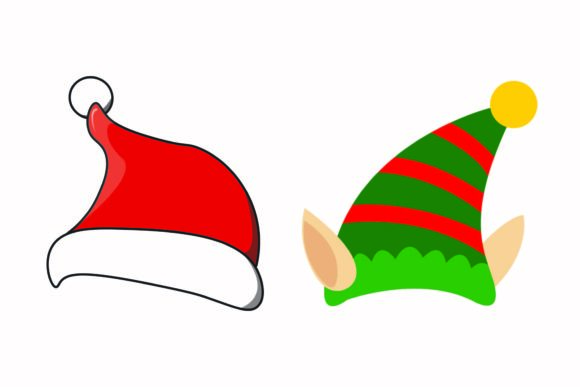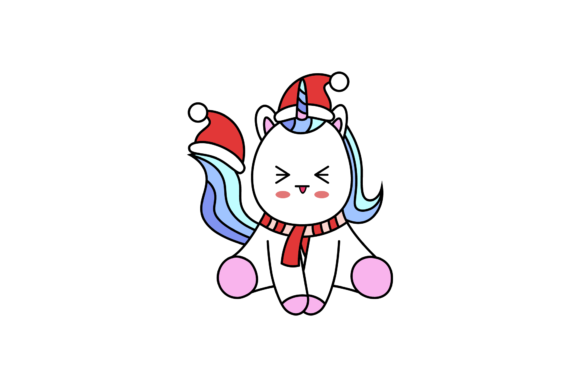
Christmas Unicorn Vectors Graphics and Illustrations
When I first opened Christmas Unicorn Vectors Illustrations inside my publishing layout, I immediately noticed the balance between whimsy and polish. This is not a childlike clip art set. It leans into a modern, lifestyle-oriented aesthetic that feels both seasonal and aspirational. The palette is soft yet festive, the linework is clean, and the overall mood sits somewhere between playful elegance and holiday magic. For a content creator who needs to communicate warmth without sacrificing professionalism, this graphic design asset delivers exactly that tone. It creates an editorial mood that feels curated, not chaotic. That matters more than most publishers realize. Readers form a first impression in under a second, and if your blog graphics or website header look generic, that trust is harder to earn. Christmas Unicorn Vectors Illustrations gives you a head start because it already looks like it belongs on a polished brand site, a digital guide cover, or a premium Pinterest pin.
What This Design Asset Brings to a Real Publishing Workflow
Let me walk through the actual file structure because that is where practical value lives. The product includes six digital files, each built on a 1920-pixel by 1280-pixel canvas. That canvas size is not random. It matches standard blog featured image dimensions, YouTube thumbnail ratios, and many social media graphic templates. You receive the design in an AI file format, which means you can open it in Adobe Illustrator and edit every vector element. For a designer or a publisher who works with a creative team, that flexibility is essential. You can recolor the unicorn, adjust the Christmas elements, scale the illustration for a website header, or extract individual pieces for a Canva template kit. The file structure is straightforward, and the assets are organized in a way that reduces friction when you are building multiple visuals for a campaign.
Editorial Mood and Visual Style
The visual style of Christmas Unicorn Vectors Illustrations is best described as lifestyle-driven with a decorative edge. It is not overly minimal, but it is not cluttered either. The unicorn motif brings a dreamy, almost storybook quality, while the Christmas elements keep the design grounded in seasonal relevance. This combination works well for content niches that lean feminine, creative, educational, or artistic. Think parenting blogs, holiday craft guides, educational printables, festive digital products, and lifestyle content aimed at a visually discerning audience. The aesthetic also supports affiliate marketing content where the goal is to inspire purchase decisions through beautiful imagery. The soft contrast and pastel-adjacent tones create a gentle visual hierarchy, which means your headline text and call-to-action buttons can stand out without competing with the background. For editorial design, that is a significant advantage.
Where to Use Christmas Unicorn Vectors Illustrations in Content Publishing
After testing this asset across several real publishing scenarios, I can confirm it performs best in these specific use cases:
- Blog featured images – The 1920x1280 canvas fits perfectly as a hero image behind a headline. The illustration provides enough visual interest to stop a scroll, but it does not overwhelm the text layer.
- Pinterest pins – Vertical pins cropped from the asset maintain the festive mood. The unicorn element is distinctive enough to build brand recognition in a crowded feed.
- Newsletter graphics – Email headers using this design feel exclusive and celebratory. Subscribers respond well to seasonal visuals that look custom-made.
- Digital guides and lead magnets – A cover page built with Christmas Unicorn Vectors Illustrations instantly communicates value. It signals that the content inside is designed with care.
- Printable designs and worksheets – The vector format scales cleanly for print. You can create holiday planners, activity sheets, or journal pages without losing quality.
- Social media graphics – Instagram posts, Facebook ads, and social media previews benefit from the consistent visual identity this asset provides.
- Media kits and small business branding – If you are a creative entrepreneur building a seasonal brand kit, this illustration set can anchor your visual system.
How This Asset Supports Content Performance and Reader Trust
Content performance is not just about SEO. It is about how quickly a reader decides to stay, click, or engage. Christmas Unicorn Vectors Illustrations strengthens that decision point in several ways. First, the visual hierarchy is clear. The illustration draws the eye naturally toward the center of the canvas, which is exactly where you want to place a headline or a key message. Second, the design feels intentional. Readers can sense when a graphic was thrown together in five minutes. This asset looks like it was created by a professional designer, which reflects positively on your brand. Third, the seasonal theme creates an emotional connection. Holiday content already has a higher engagement potential because of the festive context. Pairing that with a high-quality graphic design asset amplifies click-through potential and improves category recognition on your blog or website.
For affiliate marketers, the effect is even more pronounced. When you place this illustration behind a product recommendation or a gift guide, the visual polish makes the recommendation feel more trustworthy. It is the difference between a screenshot that looks like an ad and a styled image that looks like editorial content. That distinction directly affects conversion rates.
Best Placement for Maximum Visual Impact
Through my testing, I found that Christmas Unicorn Vectors Illustrations works best in these specific placements on a content site:
- Article thumbnails – The illustration is distinct enough to create a recognizable visual pattern across your blog category pages.
- Category visuals – If you run a seasonal section on your site, this design can serve as a consistent header image for that category.
- Content upgrades – A downloadable resource with this cover art will see higher opt-in rates because the design looks premium.
- Hero images – On a landing page or a holiday sales page, this illustration sets the mood immediately without needing additional styling.
- Editorial accents – You can use smaller versions of the illustration as pull-quote backgrounds or section dividers within a long-form article.
Where to Use This Design Asset with Caution
No asset is universal, and Christmas Unicorn Vectors Illustrations has specific contexts where it should be used thoughtfully. The design is visually rich, so it can compete with text if you place it behind small, dense copy. On mobile thumbnails, the detail of the unicorn and Christmas elements may be less readable at very small sizes. If your blog layout uses a lot of busy patterns or low-contrast backgrounds, layering this illustration on top could create visual noise. For serious professional niches like corporate finance, legal advice, or B2B consulting, the festive and whimsical tone may feel out of place unless you are running a seasonal campaign. Similarly, if your brand identity is built on extreme minimalism, this asset may introduce more decorative energy than your visual system is designed to handle. Test it in your actual layout before committing to a full campaign.
Practical Publisher Notes Before You Publish
Before you drop Christmas Unicorn Vectors Illustrations into your editorial workflow, run through these checks. Test the design on both desktop and mobile screens. The canvas size is generous, but mobile cropping can affect how the illustration appears in a thumbnail preview. Check how it looks with your headline text. Try a serif font, a sans serif font, a script font, a handwritten font, and a display font style. The right typography pairing can elevate the asset further, while a poor choice can make the design feel mismatched. Test contrast and readability by placing a semi-transparent overlay behind your text if needed. I also recommend previewing the illustration in black and white to ensure the value contrast holds up for readers who view your site with accessibility settings or on grayscale displays.
Review the file size before uploading. The AI file is editable, but for web use, you will want to export compressed PNG or JPEG versions. A heavy image file can slow your page load time, which hurts both user experience and SEO. Compress images properly without sacrificing visible quality. Finally, confirm the commercial license terms before using this asset on monetized websites, affiliate pages, or paid content products. If you are building a digital product such as an eBook, a printable design, or a Canva template, you need to ensure that the license covers redistribution or modification for commercial use. Most assets from reputable creative marketplaces include a standard commercial license, but it is always your responsibility to verify.
For publishers who create content upgrades, lead magnets, or digital guides, the file format gives you flexibility. You can open the AI file in Illustrator, adjust colors to match your brand identity, and export the illustration as a transparent PNG for use in blog graphics, social media graphics, and website headers. If you work with a team, the vector format also makes it easy to hand off the asset to a designer without losing editability. That kind of workflow efficiency matters when you are producing content at scale.
Christmas Unicorn Vectors Illustrations is a solid addition to any content creator's library of design assets. It brings a consistent, festive, and polished visual language that supports editorial quality and reader trust. Used strategically, it can elevate your blog visuals, improve your brand identity, and make your seasonal content stand out in a crowded digital landscape. Whether you are a small business owner building a holiday campaign, a blogger preparing a series of gift guides, or a creative entrepreneur launching a limited edition printable design, this graphic design asset gives you a professional foundation to build on. Just remember to test it in your real layout, pair it with strong typography, and keep your audience's expectations in mind. That is how you turn a great illustration into a lasting impression.