Hot Dog Logo with Paper Illustrations: A Designer Review
When I first opened the Hot Dog Logo with Paper Illustrations file, I was immediately drawn to its playful, hand-drawn character. It leans into a nostalgic diner and street food vibe that feels both retro and modern. As an experienced embroidery designer, I know that translating a digital illustration into a machine embroidery design can be tricky, but this design has a lot of potential for real projects. I decided to put it to the test on a classic canvas tote bag and a casual sweatshirt, evaluating how it holds up under the needle and in the hands of a customer.
First Impressions: Mood, Layout, and Visual Personality
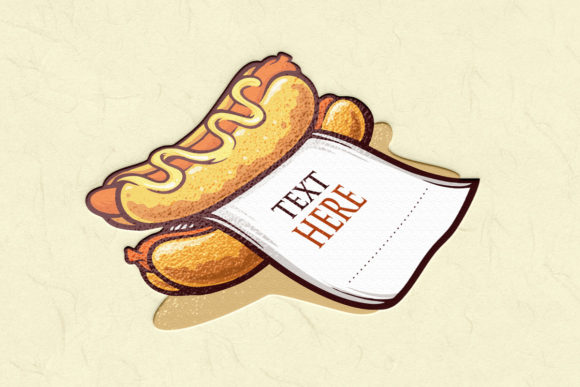
The Hot Dog Logo with Paper Illustrations is built around a bold, balanced composition. The “paper illustration” style gives it an organic texture that feels crafted rather than cold and digital. This is a major advantage for handmade products and custom apparel. The logo format means it stands alone beautifully, making it an ideal candidate for embroidered patches, tote bag designs, and sweatshirt embroidery projects.
Its visual personality is approachable and fun. It naturally fits a range of audiences: food truck owners, BBQ enthusiasts, diner lovers, and anyone looking for a personalized gift with a sense of humor. For small business owners and Etsy sellers, this kind of design asset is valuable because it creates instant brand consistency across multiple product lines. Whether you’re making an apron, a pillow cover, or a set of kitchen towels, the Hot Dog Logo brings a cohesive look to your craft business.
Real-World Performance: From Tote Bags to Toddler Tees
I always test a new embroidery file on a few different surfaces before committing to a production run. Here’s how the Hot Dog Logo with Paper Illustrations performed in real stitching scenarios:
- Canvas Tote Bags: This is where the design truly shines. The bold satin stitch outlines and fill stitch areas provide excellent coverage. The contrast between the bun, hot dog, and condiments pops nicely against natural canvas. The stitch density felt balanced, and the fabric didn’t pucker. I used a medium-weight cutaway stabilizer and a 40-weight thread for a crisp finish.
- Sweatshirts & Apparel: The sweatshirt embroidery market is huge, and this design feels right at home on a casual garment. I tested it on a heather gray sweatshirt. The “paper texture” translated well, though I recommend using a water-soluble topper to prevent the stitches from sinking into the fabric nap. The personality of the design makes it a conversation starter, which is exactly what custom apparel buyers want.
- Pillow Covers & Aprons: For home decor and kitchen linens, this is a solid choice. The logo format works well centered on a pillow cover or as a chest design on an apron. It adds a professional, boutique feel to the finished product.
- Caps: Cap embroidery requires careful planning. The hoop size and placement on a curved surface can distort details. I would recommend enlarging the Hot Dog Logo slightly if you are stitching it onto a cap so that the smaller elements like condiment drips and any lettering remain readable.
- Baby Items: A onesie or a bib with this design is a fun personalized gift for a foodie parent. Baby embroidery needs soft backing, so check the stitch count to ensure the back isn’t too scratchy. The playful theme is a great fit for this market.
Where to Watch Out: Practical Embroidery Considerations
No design is perfect for every project, and the Hot Dog Logo with Paper Illustrations has a few characteristics that require careful attention. The “paper illustration” aesthetic is its greatest strength and its biggest challenge for embroidery. Here is what I look for:
- Detail Level vs. Scale: The organic, slightly rough edges that define the paper style can look like digitizing errors if they are too small. If you are working with a small hoop size, test the design first. You may need to scale it up to preserve the texture.
- Stitch Density: Paper textures often involve speckles or fine lines. In an embroidery file, these can translate into high stitch density areas. High density can make the fabric stiff and cause puckering, especially on stretchy fabrics or lightweight t-shirts. Use a strong stabilizer and check the stitch map before cutting thread.
- Thread Color Contrast: The design relies on strong contrast. Light bun, dark hot dog, bright red or yellow condiments. Test your thread colors against the actual fabric. A dark bun on a dark tee will lose all its visual appeal. I always run a black and white mockup to check the value contrast.
- Fabric Texture: On thick fleece, terry cloth, or textured fabrics, the fine details of the illustration can get lost. The running stitch details and small speckles may disappear into the fabric. Use a water-soluble stabilizer on top to keep the stitches on the surface.
- Frequent Washing: For products like kitchen towels or baby items, check the durability of the small details. Long running stitches or loose fill stitches can snag over time.
Boosting Product Value and Customer Appeal
As an Etsy seller or small shop owner, the Hot Dog Logo with Paper Illustrations gives you a distinct advantage. It doesn’t look like a generic clipart or a simple vector. It has a crafted, artistic feel that elevates the handmade product. Customers are willing to pay more for something that looks like a genuine brand, not a mass-produced item.
This design also excels in giftability. A sweatshirt or tote bag featuring this logo feels like a thoughtful, niche gift for a hot dog lover, a dad, or a grill master. It increases buyer engagement because it tells a story. Using printable mockups of the Graphics before you stitch will help you market the embroidery project effectively on social media and in your Etsy listings. The Illustrations category it belongs to is accurate—it is a versatile piece of art that works across digital and physical mediums.
Designer Notes: Before You Sew
Before you load this machine embroidery design into your machine, here are my practical notes from testing the Hot Dog Logo with Paper Illustrations:
- Test on Scrap Fabric First: This is non-negotiable. Stitch it out on the exact fabric you plan to use. Adjust the thread colors and stabilizer based on the result.
- Check the File Format & Hoop Size: The product description states it is a vector illustration. Confirm that the embroidery file you have (e.g., .DST, .PES, .EXP) matches your machine. Verify the hoop size required. If the vector is the only format, you will need to have it digitized professionally.
- Inspect the Digitizing: Look closely at the “paper texture” elements. Are they cleanly digitized? The texture should be intentional, not chaotic. A well-digitized fill stitch will mimic the paper look without creating excessive jumps or trims.
- Confirm Licensing for Commercial Use: The description says “suitable for various purposes.” If you are a commercial embroidery business or digital product seller, you must verify the license. Check the End User License Agreement (EULA) to confirm you can legally sell the finished product. This is a crucial step for protecting your craft business.
- Use the Right Stabilizer: For structured items like tote bags, a tear-away stabilizer might work. For custom apparel and sweatshirts, a cutaway stabilizer is safer to prevent warping. For caps, use a stiff cutaway or a cap-specific stabilizer.
Final Verdict
The Hot Dog Logo with Paper Illustrations is a strong, versatile design asset that balances fun with commercial viability. It translates well to tote bags, apparel, patches, and home decor with the right preparation. Its main challenge is preserving the delicate paper texture through the digitizing process, but with proper testing and the right stabilizer choices, it becomes a standout piece. For creative entrepreneurs, hobbyists, and makers looking to add a playful, branded touch to their handmade products, this is a design worth adding to your library. Just be diligent about your testing, and you will produce a finished product that feels professional, polished, and full of personality.