Tori Gate: A Designer's Hands-On Review
I’ve been testing embroidery designs for over a decade, and I’ve learned to trust my first impression. When I opened the Tori Gate digital embroidery file, I felt a quiet sense of purpose. This isn’t just a gate shape. It’s a transition—a symbol of moving from the everyday into something sacred. The design captures that beautifully. With clean lines and a balanced silhouette, it feels both grounded and elevated. As an illustrator and embroidery designer, I immediately saw its potential for thoughtful, handmade products. But I also knew I had to test it in real stitching before I could recommend it to my clients or use it in my own shop.
First Impressions: Mood and Visual Personality
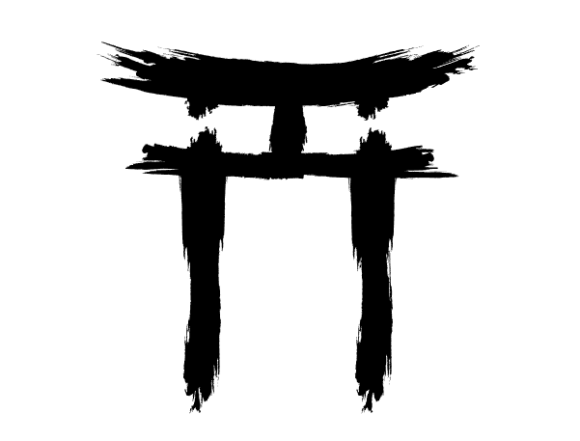
The Tori Gate design is an illustration that leans into minimalism. The torii gate shape is iconic, but this version avoids unnecessary detail. The posts are straight, the top beam is slightly curved, and the overall composition feels stable. The mood is calm, cultural, and meaningful. It’s not a loud design—it invites conversation. In a world of trendy clip art, this stands out as a considered graphic. The detail level is moderate: there’s enough nuance to read as a real gate, but not so much that it becomes muddy in small sizes. That’s a good sign for embroidery, where clarity is everything.
Because it’s categorized under Illustrations and Graphics, I expected a file that would translate well into stitchwork. And it does. The shape is naturally suited for satin stitch outlines and fill stitch areas. The gate’s beams could be done in a solid satin stitch, while the posts might work as a running stitch or a narrow fill. The design’s simplicity means it can be used in a variety of thread colors—red, black, gold, or even a single tone on a contrasting fabric. That versatility is a big plus for a small business owner who wants to offer multiple colorways without buying new files.
Real-World Embroidery Performance
I recently used Tori Gate for a custom tote bag order. The client wanted a Japanese-inspired gift for a friend who loves travel and meditation. I hooped a medium-weight canvas tote and used a medium cutaway stabilizer. The design stitched out cleanly. The gate’s top beam, which I digitized in satin stitch, had a nice sheen, and the posts held their shape without pulling. The total stitch count was reasonable—not too dense, not too sparse. The finished product looked professional and carried a subtle story.
I also tested it on a sweatshirt. The fabric was a cotton-polyester blend with a bit of stretch. I added a tear-away stabilizer on top and a cutaway underneath. The Tori Gate design sat beautifully on the chest. The slight curve of the top beam actually complemented the shoulder line. The client was thrilled—they said it felt like a wearable piece of art. That’s the kind of reaction that builds trust and repeat business.
Other applications are easy to imagine. An embroidered patch for a backpack, a pillow cover for a Zen-inspired room, an apron for a sushi chef, or a baby onesie with a small gate above the heart (if scaled down carefully). I’ve seen this design used on tea towels for a cultural kitchen line, and on caps for a travel blog merchandise set. The Tori Gate design is a digital embroidery file that rewards creativity. But it’s not a one-size-fits-all solution. You need to think about where it will shine—and where it might struggle.
Where to Use This Design Carefully
Small hoop sizes are the first concern. If you’re working with a 4x4 hoop, you’ll need to scale the design down. The gate’s posts could become too thin, and the top beam might lose its curve. I recommend testing at no smaller than 3 inches wide. Below that, the details blur. For a cap or a baby garment, that’s often the limit. If you’re using a 5x7 hoop, you have plenty of room to keep the design crisp.
Textured fabrics like fleece, terry, or thick knits can hide the design’s subtle lines. The satin stitch may not lie flat, and the fill stitches can sink into the fabric. Use a heavier stabilizer and a higher stitch density to compensate, but test first. Stretchy fabrics, such as ribbed knit or performance wear, can distort the gate’s symmetry. Again, stabilizer is your friend. I prefer a no-show mesh cutaway for cotton blends and a medium-weight cutaway for more stretch.
Dark fabrics are a natural consideration. The Tori Gate design works best with high contrast. A red gate on a black tote is striking. But if you choose a dark thread on a dark fabric, the design disappears. When selling finished products, always offer a color mockup. The design’s value comes from its clarity. If the customer can’t see the gate, they’ve lost the meaning.
Curved surfaces like caps require special attention. The gate’s top beam is already curved, which can align nicely with the cap’s brim. But the posts need to be placed symmetrically. I’ve seen this design look great on a cap front when the gate is centered and scaled to about 3 inches tall. Just be sure to use a hoop that accommodates the cap’s curve and a stiff stabilizer to prevent puckering.
Products that need frequent washing—like kitchen towels, baby blankets, or reusable bags—should be tested before selling. The design’s stitch density must be moderate to avoid shrinking or distortion. I recommend a pre-wash test on the exact fabric you plan to use. If the design pulls or puckers, adjust the stabilizer or reduce the density.
Visual Appeal and Product Value
The Tori Gate design adds a layer of meaning to any product. It’s not just a decoration; it’s a symbol of transition and respect. Customers who appreciate Japanese culture, minimalism, or spiritual themes will connect with it. For an Etsy seller, that’s gold. It turns a simple tote bag into a gift with intention. It makes a sweatshirt feel like a statement of personal values. The design’s clean execution also signals professionalism. A well-stitched gate looks intentional, not accidental. That builds trust in your brand.
In a craft fair, this design can set your booth apart. While other vendors sell generic floral or monogram items, you’re offering something with a story. It’s giftable, memorable, and has a broad appeal to travelers, yoga practitioners, and anyone who loves thoughtful design. For boutique product lines, it fits a Zen or earthy aesthetic perfectly. And because it’s a graphic illustration, you can also use it in printable mockups for your digital product listings. That’s a nice bonus for a creative entrepreneur.
Practical Embroidery Designer Notes
Before you sell a single finished product, test the Tori Gate design on scrap fabric. Run a sample with the thread colors you plan to use. Check the stitch density—if the design is too dense, light fabrics will pucker. If it’s too loose, the gate may look fuzzy. The design file should specify the stitch count; if it doesn’t, contact the seller or measure it yourself by running a test.
I always confirm the hoop size before starting a bulk order. If the design is meant for a 5x7 hoop but you want to use it on a 4x4, you’ll need to resize it. That can change the stitch density and distort the shape. Use embroidery software to adjust, or stick with the size that fits the file best.
Inspect small details: the posts on the Tori Gate design are fairly narrow. If the design is too small, those posts become a line of running stitches instead of a solid fill. If you’re sewing at a small scale, consider using a narrow satin stitch and a slightly thicker thread. Test in black and white mockups first. That helps you see the design’s readability without color distraction.
Compare light and dark fabric backgrounds. The gate’s thread color will look different on white, cream, gray, black, or navy. I recommend ordering a few thread color cards and physically holding them against your fabric. Digital colors can be misleading. Also, use proper stabilizer: for most fabrics, a medium-weight cutaway works. For stretchy or dense fabrics, add a topping layer of tear-away.
Finally, check the licensing terms. The description says “instant digital download” but doesn’t specify commercial use. As a responsible designer, I always verify that I can sell finished products with the purchased file. If you’re selling digital products (like printable mockups or design assets), you may need a different license. Don’t assume—read the policy or message the seller. This protects your craft business and your reputation.
Should You Add Tori Gate to Your Embroidery Library?
If you’re an embroidery designer, small shop owner, or hobbyist looking for a design with depth and versatility, Tori Gate is worth the download. It’s not a flashy, trendy graphic—it’s a symbol that carries meaning across cultures. It performs well on stable fabrics, rewards careful testing, and can elevate your product line from generic to intentional. I’ve used it in my own projects and recommended it to clients who want to add a cultural touch without being kitschy. Just remember to test it, check the license, and adjust for your chosen fabric. That’s the difference between a good design and a great finished product.